Bringing your newborn home for the first time fills you with joy, along with anxiety. Everything feels new. Every cry feels urgent. And every decision, from how your baby sleeps to how you dress them, suddenly carries enormous weight.
Here is the truth: the first 3 months of a baby’s life are the most important for building healthy habits about sleep, bathing, and clothing. When you understand exactly what your newborn needs during this phase, those early weeks become far less overwhelming.
With practical, expert-backed advice and product recommendations from Maa & Baby, this guide covers everything new parents need to know about newborn sleep, safe baby bathing, and how to dress a newborn.
Newborn Sleep: How to Help Your Baby Rest Safely
How Much Do Newborns Sleep?
In the first 3 months, newborns sleep between 14 and 17 hours every day, but never all at once. Their sleep arrives in short cycles of 2 to 4 hours, broken up by feeding. This is normal. By month 3, most babies naturally start sleeping slightly longer stretches at night.
Understanding your baby’s sleep cycles is the very first step toward creating a rhythm that works for your whole family.

Building a Safe Sleep Environment
The American Academy of Pediatrics (AAP) recommends one clear rule for every sleep: place your baby on their back on a firm, flat surface. A safe sleeping space includes:
- A firm mattress with fitted sheets (no soft bedding, pillows, bumpers, or stuffed animals)
- The room temperature is between 20-22°C (68-72°F)
- Bassinets and cribs must be free of loose items
- A proper swaddle to recreate the womb's snug feeling
Our Newborn Mattress Set from Maa & Baby provides your baby with a comfortable, breathable, firm sleeping surface. Pair it with the Maa & Baby Sleeping Bag and Nest, and your little one can stay comfortably warm without loose blankets covering their face.
Swaddling: The Newborn Sleep Game-Changer
Swaddling is one of the most effective ways to soothe a newborn and encourage longer sleep. It works by preventing the Moro reflex (the sudden startle reflex) from jolting your baby awake. When done correctly, it also reduces crying and regulates your baby’s body temperature.
How to swaddle safely with the Maa & Baby Soft Cotton Swaddle:
- Lay the wrapper flat and fold the top corner down about 15 cm
-
Make sure your baby's head is above the fold of their back when you place them on their back
-
Bring the left side snugly over the body and tuck it underneath
-
Fold the bottom panel up toward the chest
-
Wrap the right side across the body and secure gently
Always make sure the swaddle is snug around the torso but loose around the hips. The legs should always bend freely to support healthy hip development.
Pro Tip: Stop swaddling as soon as your baby begins showing signs of rolling over, usually around 8 to 10 weeks. A child who is still being swaddled after this point may be at risk of injury.

Maa & Baby's Best Newborn Sleep Products:
- Sleeping Bag and Nest: Safe, enclosed sleeping space that prevents overturning
- Soft Cotton Swaddler: Suppress the startle reflex for a deeper, longer sleep
- Newborn Mattress Set: Firm, breathable, and perfectly sized for safe sleeping
-
Ergonomic Newborn Pillow: Gentle support for your baby’s developing neck and spine
-
Lightweight Baby Blanket: Ideal for layering without overheating
Newborn Bath Time: A Safe and Soothing Routine
When Should You Start Bathing a Newborn?
Most paediatricians recommend waiting at least 24 hours after birth before getting the very first bath. Studies show this helps preserve the natural protective coating (vernix) on your baby’s skin. At home, until the umbilical cord stump dries and falls off (which typically happens within 1 to 3 weeks), only give your baby gentle sponge baths.
Once the cord stump is gone and fully healed, you can move on to proper tub baths 2 to 3 times per week. Bathing more frequently than this can strip natural oils from your newborn’s sensitive skin, leading to dryness or irritation.
Step-by-Step Newborn Bath Routine
A safe, calming bath routine takes 5 to 10 minutes. You can do it confidently by following these steps:
Step 1: Prepare Everything Before You Start. Be sure to watch your baby at all times during bath time, not just for a second. Gather everything in advance:
- Warm water at 37-38°C. It should feel neutral and not hot when tested with your elbow
- A soft baby washcloth
- Gentle, tear-free, fragrance-free baby wash
- Baby Bathing Chair from Maa & Baby: keeps your baby securely in position, allowing you to bathe with both hands free
-
Maa & Baby Soft Baby Towel and Gown: laid out and ready for use after bathing

Step 2: Always support the Head and Neck. Your newborn cannot hold their head independently until 3 to 4 months. Throughout the entire bath, keep one hand firmly supporting the back of their head and neck at all times.
Step 3: Clean from Cleanest to Dirtiest. Always clean in this order to avoid spreading bacteria:
-
Face first: use a damp cloth only with no soap near the eyes
- Scalp and hair: Use a tiny amount of tear-free baby wash
- Body: Clean the front, sides, and back
- Diaper area: Always clean this last
Step 4: Wrap Immediately After the Bath. A newborn loses body heat extremely quickly after leaving warm water, within seconds of leaving it. The moment the bath ends, wrap your baby immediately in the Maa & Baby Soft Baby Towel and Gown, and gently pat the skin dry (never rub).
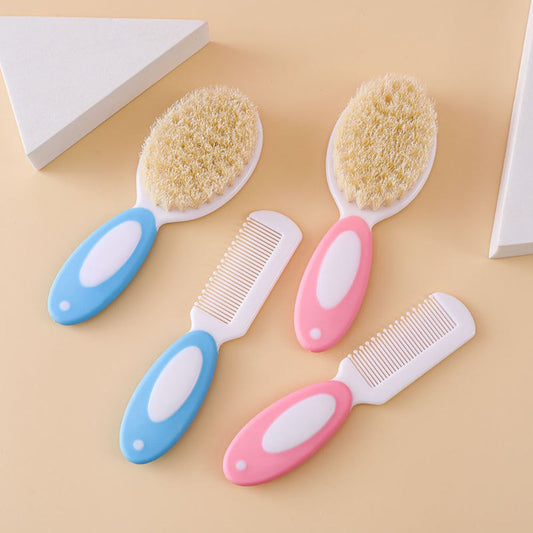
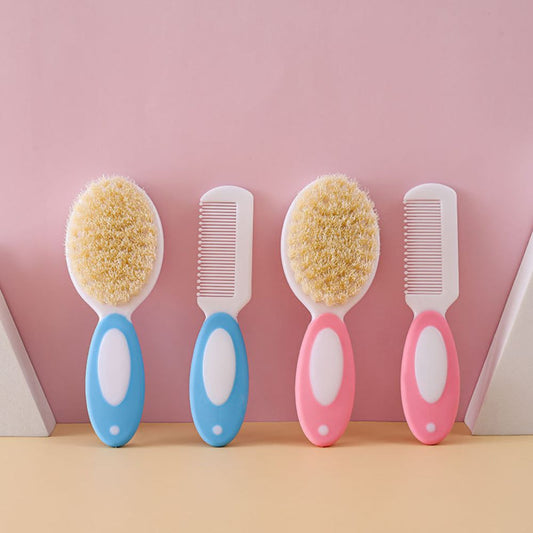
Step 5: Post-Bath Grooming: Once your baby is dry and calm, or while they are sleeping, use the Maa & Baby Grooming Kit to file up the nails, gently clean the outer ears, and brush the scalp to prevent cradle cap buildup.
Key Bath Time Products from Maa & Baby:
-
Baby Bathing Chair: Ergonomic, non-slip support for safe hands-free bathing
- Soft Baby Towel and Gown Set: Super absorbent and gentle on sensitive skin
- Baby Grooming Kit: Nail file, soft brush, comb, and ear care tools included
Safety Reminder: Never leave a baby unattended in water, not even for one second. Drowning can occur in just a few centimetres of water.

Dressing Your Newborn: Fabric, Layers, And Comfort
The One-Layer Rule Every Parent Should Know
A newborn's body temperature cannot be controlled effectively by themselves. The simple rule that works in every situation: dress your baby in one more layer than you are wearing. If you are comfortable in a light T-shirt, your baby needs that T-shirt plus one extra soft layer.
Signs your baby is too warm: sweating, flushing or red cheeks, rapid breathing, restlessness. Signs your baby is too cold: cold hands and feet, persistent fussiness, pale or bluish lips.
Choosing the Right Fabric for Newborn Clothing
Fabric quality is the single most important factor when buying clothes for a newborn. Their skin is 30% thinner than that of adult skin and far more sensitive to heat, friction, and chemicals. Always choose:
-
100% Soft Cotton: breathable, hypoallergenic, gentle, and ideal for all-day wear
-
Muslin cotton: ultra-soft, lightweight, and perfectly suited to all seasons
-
Organic Cotton: free from synthetic dyes, pesticides, and harsh chemical finishes
Make sure to avoid synthetic fabrics such as polyester and nylon, rough seams, tight neck openings, and elastic that presses against soft skin.
Maa & Baby's entire newborn clothing collection, including cotton onesies, rompers, newborn sets, caps and bonnets, booties, and mittens, is made from skin-friendly, soft cotton.

How to Dress a Newborn for Different Weather
Summer and Warm Weather: Keep it light and breathable to avoid overheating.
-
A single soft cotton onesie or romper as the base layer
-
A lightweight cotton cap or bonnet to protect you from the sun
-
Thin cotton booties to keep tiny feet covered without trapping heat
Recommended: Cotton Romper Set for Maa and Baby + Cotton Hoodie Set for Newborns
Winter and Cold Weather: Layer up to trap warmth without restricting movement.
-
Soft inner vest as a base layer
-
Full-sleeve onesie or bodysuit as the middle layer
-
To prevent heat loss from the head and extremities, wear a warm cap, mittens, and boots
Recommended: The Maa & Baby Full-Sleeve Onesie with Cap and Booty Set and the Swaddler Blanket
Smart Dressing Tips for New Parents
-
Choose snap-button or front-opening designs, as they are easy to wear without straining the neck.
- Wash all new clothing before first use with mild, fragrance-free baby detergent
- Size up a bit when in doubt, as newborns grow fast in the first 3 months
- Avoid strings, ribbons, or drawstrings near the face, neck, or chest
Key Dressing Products from Maa & Baby:
- Newborn Onesies / Rompers / Bodysuits: Soft, snap-button designs for easy dressing
- Newborn Cap and Bonnet Set: Essential for temperature regulation in all seasons
- Booty and Mitten Set: Protects tiny hands and feet from cold and scratching
- Newborn Clothing Sets: Coordinated, convenient outfits for everyday wear
5 Expert Tips Every New Parent Should Remember
- Track sleep and feeding in a notebook or simple app. Spotting patterns early reduces stress significantly.
-
Keep bath time under 10 minutes. Long baths can dry out newborn skin.
- When skin-to-skin contact is made after bathing, temperatures are regulated, and emotional security is built.
- Never over-bundle your baby for sleep. The risk of SIDS is increased when a child overheats.
-
Talk or sing during bath time and dressing. It builds your baby’s sense of safety and supports early language development.
Conclusion
The first three months with your newborn are built around small, consistent routines, including how they sleep, bathe, and dress every day. When you get these basics right from the start, your baby will feel safer, sleep better, and thrive in every way.
At Maa & Baby, every product in our newborn collection, from soft cotton rompers and ergonomic bathing chairs to swaddlers, sleeping nests, and grooming kits, is thoughtfully designed for your baby’s comfort, safety, and development.