Picking a toothbrush for your little one sounds easy until you stand in front of dozens of options. Soft or medium bristles, manual or electric, a tiny head or a bigger one: every pack promises something different, and it is hard to know what actually matters.
The truth is that how to choose a toothbrush for kids comes down to a few practical points: bristle softness, brush size, your child's stage, and whether your child will actually enjoy using it. This guide walks through each point in plain language, so you can pick with confidence and make brushing a calmer part of the day.
Why the Right Toothbrush Matters
Children's gums and teeth are delicate, and the habits they form early tend to stay with them. A kids toothbrush that is too hard, too large or simply unappealing can turn brushing into a daily struggle. The right one makes it gentler for your child and easier for you.
It also affects how willing your child is to cooperate. A brush that feels comfortable and looks fun is far more likely to be accepted than one your child dislikes from the first try.
Match the Toothbrush to Your Child's Stage
Oral care changes as your child grows, so the best brush at one stage may not suit the next. Here is a simple way to think about it.
- Before teeth appear: gentle gum and tongue care with soft, baby-safe tools.
- First teeth: a very soft brush made for babies, used with your help.
- Toddler years: a soft brush with a small head, with an adult doing or supervising the brushing.
- Older children: a brush that suits their growing mouth, plus supervision while they build the habit.
There is no single age that fits every child, so treat these stages as a guide and ask your dentist about your own child's needs.
Start Before the First Teeth Appear
Oral care can begin even before the first tooth shows up. Many parents gently wipe the gums after feeding, and a baby tongue cleaner is made for gentle oral hygiene in infants and toddlers.

Use very light pressure, keep your hands clean and stop if your baby seems uncomfortable. If you are unsure about the technique, your paediatrician or dentist can show you how.
Factor 1: Soft Bristles
Look for a soft bristle toothbrush for kids. Soft bristles are gentler on gums and enamel, which matters because young children often press too hard while they are still learning to brush.
For the smallest children, a soft baby toothbrush with super soft bristles is a sensible starting point, since a baby toothbrush should feel gentle in a tiny mouth.

Whatever you choose, avoid brushing hard. Gentle, small circular motions clean well without hurting the gums.
Factor 2: Head Size and Handle
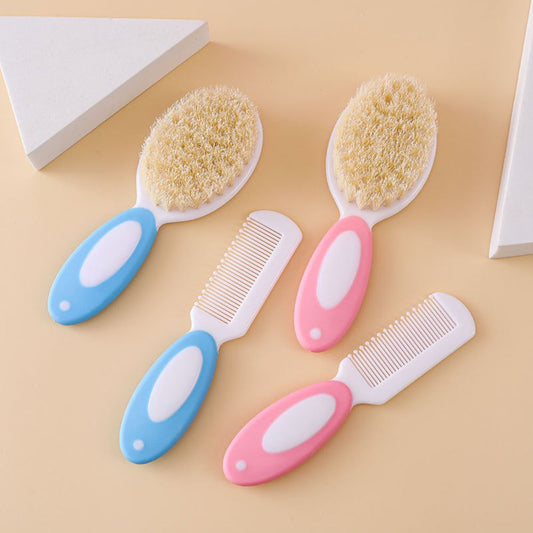
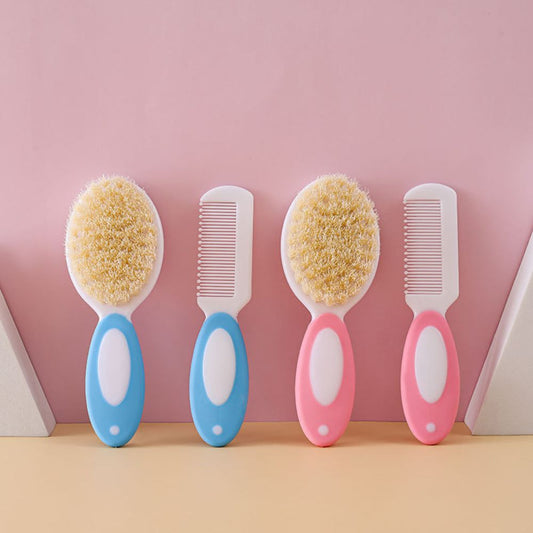
A small brush head reaches the back teeth more easily and fits comfortably in a small mouth. A head that is too large makes it hard to get around the teeth and may leave your child gagging or resisting.
The handle matters as well. A toothbrush size for kids that suits their hand makes self-brushing easier, while a handle you can grip comfortably helps when you are brushing. Children usually need an adult's help for quite a while, so choose a brush that works for both of you.
When your child moves on from the baby stage, a super soft kids toothbrush is a simple manual option. Check the age range on the product page to confirm it suits your child.

If you would like to compare a few designs side by side, browse the full range of kids toothbrushes before you decide.
Factor 3: Manual vs Electric Toothbrush for Kids
The manual vs electric toothbrush for kids question comes up often, and both can work well. What matters most is that your child brushes properly and regularly.
- Manual: simple, affordable and easy to carry while travelling.
- Electric: the motion and the novelty can make brushing more fun, which may help children who resist it.
If you want to try the electric route, an electric toothbrush for kids with a cartoon design is waterproof and offers 3 speeds. Children who find a manual brush boring sometimes enjoy the change.

Whichever type you pick, supervise your child while they brush. Check the age guidance on the product and show your child how to use it before they try it alone.
How to Brush a Child's Teeth Step by Step
A good brush only works if it is used well. This simple routine suits most young children.
- Prepare: wash your hands and wet the brush lightly.
- Position: sit or stand where you can see your child's mouth clearly.
- Use a small amount of toothpaste: ask your dentist how much suits your child's age.
- Brush gently: use soft circular motions on the outer, inner and chewing surfaces.
- Do not forget the back teeth: they are the hardest to reach.
- Spit, do not swallow: teach your child to spit out the toothpaste.
- Rinse the brush: let it dry upright afterwards.
For younger children, brushing is usually something you do for them. As they grow, let them have a turn first and then finish the job yourself.
What About Toothpaste?
Dental guidance on toothpaste changes with age, including how much to use and whether it should contain fluoride. Because this depends on your child's age and needs, ask your dentist for advice instead of guessing. Teach your child to spit rather than swallow, and use only a small amount.
Common Mistakes Parents Make
Even careful parents slip up sometimes. Watch out for these.
- Using a brush that is too hard: soft bristles are usually kinder to young gums.
- Choosing a head that is too large: it makes the back teeth hard to reach.
- Using too much toothpaste: a small amount is enough.
- Letting young children brush alone: most need supervision for a long time.
- Keeping a worn brush: frayed bristles clean less well.
- Skipping the tongue: gentle tongue care is part of oral hygiene.
What to Do If Your Child Hates Brushing
Many children resist brushing at some point. A little creativity helps.
- Let them choose: letting your child pick a brush design can reduce the fight.
- Make it fun: a short song or timer keeps younger children engaged.
- Brush together: children copy what they see, so brush at the same time.
- Stay calm and consistent: a steady routine works better than pressure.
- Try a change: switching to a different brush type, such as an electric one, may help.
If brushing stays a struggle for a long time, speak to your dentist for tips that suit your child.
How Often to Change a Child's Toothbrush
A common recommendation is to replace a toothbrush about every three months, or sooner if the bristles look frayed or bent. Replacing it after an illness is also a good idea. Worn bristles clean less well, so check the brush regularly rather than waiting for the date.
Keep the Toothbrush Clean
A few simple habits keep the brush hygienic.
- Rinse well: wash off toothpaste and food after brushing.
- Store upright: let it air dry instead of keeping it in a closed, damp container.
- Do not share: each child should have their own brush.
- Keep it away from the toilet area: store it in a clean, dry spot.
Practical Buying Checklist
Before you buy, run through this list.
- Bristles: soft and gentle.
- Head size: small enough for your child's mouth.
- Handle: easy for small hands and for you to hold.
- Type: manual or electric, based on what your child enjoys.
- Age range: confirm it on the product page.
-
Spares: keep a replacement ready for when the brush wears out.